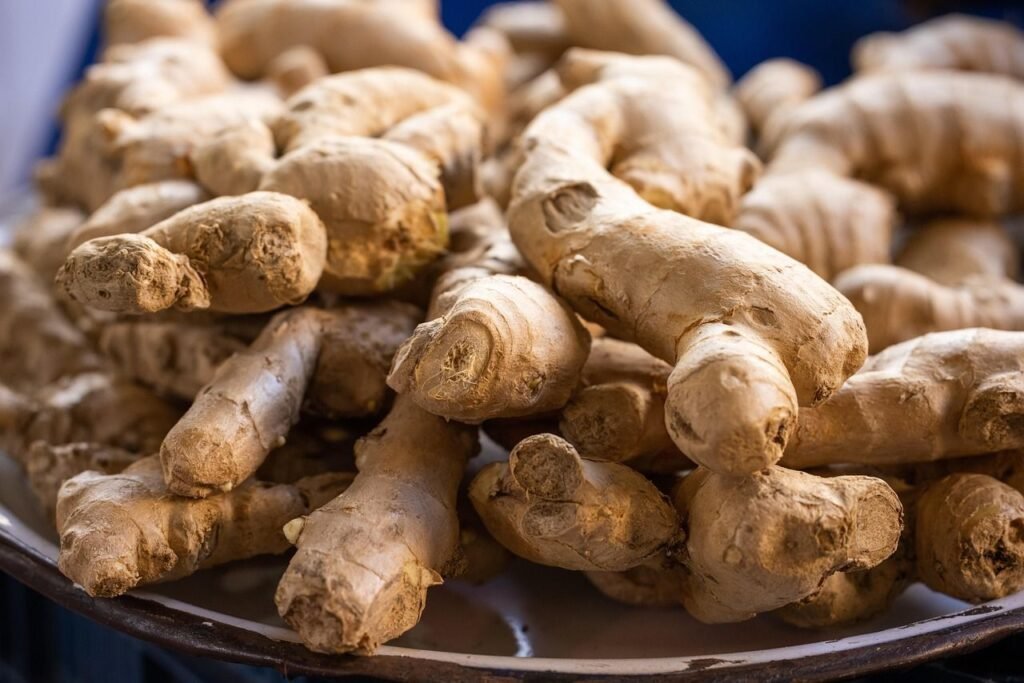
Nigeria is one of the world’s leading ginger producers, and Kaduna State in the north is the heart of production. Nigerian ginger is known for strong pungency and high oleoresin content, which is why extractors and spice grinders seek it out. But it is harvested once a year, so timing your purchase matters more than it does for crops with two seasons.
How the season runs
Ginger is planted with the first rains, around April and May, and grows through the rainy season. Harvest starts once the leaves dry back, usually from November, and runs into March. Freshly dug ginger is washed, split and sun-dried for one to two weeks, so dried ginger reaches the market a few weeks behind the harvest.
- November to December: early harvest. Volumes are building and prices are set for the season.
- January to March: peak availability of dried split ginger. This is the best window to contract larger volumes.
- April onward: supply comes from stored stock. Lots are still available, but you have less choice of grade.
What to specify
The specification you agree before shipment is what the inspector checks against, so be precise about the points that matter for your use:
- Form: split or whole. Split ginger dries faster and more evenly.
- Moisture: 10% or below is the usual export target. Higher moisture raises the risk of mould on a long voyage.
- Foreign matter and the allowance for mould or insect damage.
- Packaging: jute or polypropylene bags, and the bag weight.
Plan your order around the sample
Ask for a sample from the actual lot you will receive, not a generic one, and test it in your own lab before you sign. Once the contract is agreed, the lot is inspected, fumigated and shipped with a phytosanitary certificate from the Nigeria Agricultural Quarantine Service.
If you are planning for the coming season, tell us your volume and destination and we will confirm availability and timing.
Need a quote for the coming season?
Request a quote